 Hyklen
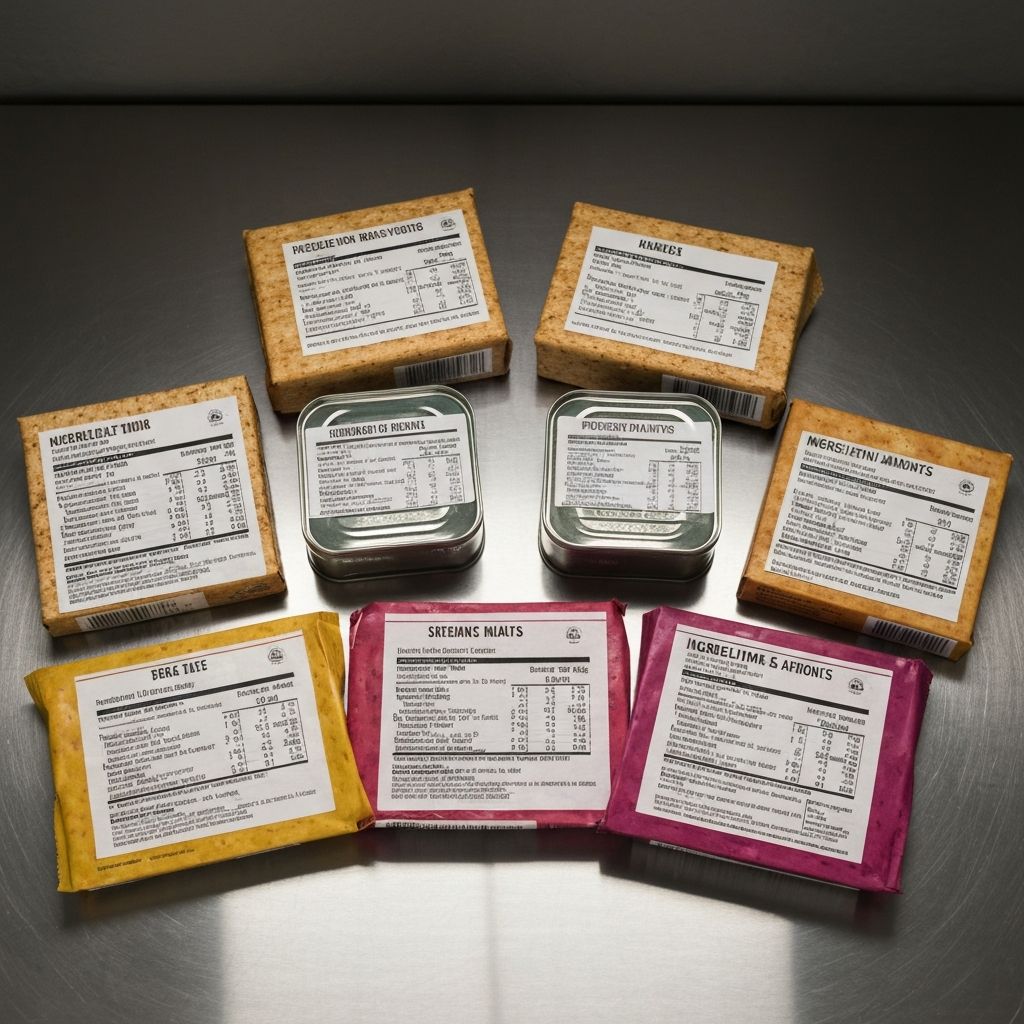
Why Food Labels Matter
Food packaging labels provide standardized nutritional and ingredient information, enabling informed choices. Understanding how to interpret these labels supports dietary awareness without requiring intense scrutiny of every item.
The Nutrition Facts Panel
The standardized nutrition label, required in most jurisdictions, presents information in a consistent format:
Serving Size
All nutritional information is based on a single serving. Package contents may contain multiple servings. Serving sizes often differ from the portion an individual consumes, requiring calculation for accurate nutritional assessment.
Calories
Total calories per serving indicate energy content. Individual caloric needs vary by age, activity level, and metabolism. Calories alone do not indicate nutritional quality.
Macronutrient Content
Total carbohydrates are displayed, often subdivided into dietary fiber and total sugars. Dietary fiber supports digestive health. Added sugars—distinct from naturally occurring sugars in fruits and dairy—should be limited.
Protein content supports muscle maintenance and various physiological functions. Needs vary by individual but are typically 0.8 grams per kilogram of body weight daily.
Total fat is displayed, distinguishing saturated fat (typically to be limited), trans fat (to be avoided), and by inference, unsaturated fat.
Sodium
Sodium (salt) is associated with blood pressure regulation. Current guidelines recommend limiting to less than 2,300 milligrams daily, though individual needs vary. Many processed foods are high in sodium.
Micronutrients
Vitamins and minerals are often listed as percentages of the Daily Value (DV), indicating the proportion of recommended daily intake provided by a single serving. Higher percentages indicate nutrient-dense foods.
Deciphering Ingredient Lists
Ingredients are listed in descending order by weight. The first few ingredients comprise the majority of the product. Reading ingredient lists allows identification of:
- Whole foods vs. processed: Recognizable ingredients versus chemical additives.
- Allergens: Common allergens (peanuts, tree nuts, milk, eggs, shellfish, soy, wheat) must be identified for those with allergies.
- Added sugars: Various names for added sugars—sucrose, corn syrup, honey, agave—may appear multiple times.
- Sodium sources: Salt appears in various forms (sodium chloride, sodium bicarbonate).
- Additives: Preservatives, artificial colors, or flavorings may be listed.
Understanding Claims and Marketing Language
"Natural": Often used loosely and not strictly regulated. Does not indicate nutritional value or lack of processing.
"Organic": In regulated jurisdictions, indicates production without synthetic pesticides, fertilizers, or antibiotics. Does not necessarily indicate superior nutrition or healthfulness.
"Low-fat" or "Fat-free": Often indicates added sugars compensating for palatability lost with fat removal.
"Multigrain": Does not indicate whole grains. Check ingredient lists for "whole grain" designation.
"Light" or "Lite": May indicate reduced calories, fat, or sodium, but should be verified on the label.
"High fiber" or "Good source of fiber": Indicates presence of dietary fiber, supporting digestive health and satiety.
Practical Label-Reading Strategies
- Compare similar products: Side-by-side label comparison reveals nutritional differences and aids informed choices.
- Check serving size: Ensure serving size matches your typical consumption.
- Focus on ingredients: Simpler ingredient lists often indicate less processing.
- Identify added sugars: Multiple added sugar varieties indicate high total added sugar content.
- Note sodium content: Particularly important if managing blood pressure or overall health.
- Seek whole grains: "Whole grain" should appear first in ingredient lists for grain-based products.
- Ignore marketing claims: Focus on label information rather than front-of-package marketing language.
Context Matters
No single food determines overall health. A product higher in sodium or sugar can be part of a balanced diet when consumed in context with other foods and within overall dietary patterns. Label information supports informed choices without requiring perfectionism or restriction.
Label Glossary: Common Terms
- Daily Value (DV): Recommended daily intake amount used as a reference on labels.
- Added sugars: Sugars added during processing, distinct from naturally occurring sugars.
- Sodium: Mineral essential for nerve and muscle function; high intake linked to blood pressure elevation.
- Dietary fiber: Carbohydrate portion indigestible by the human gut; supports digestive and metabolic health.
- Saturated fat: Fat type from animals and some plants; recommended in moderation.
- Trans fat: Artificially created fat; should be avoided.
Key Takeaways
- Nutrition facts panels provide standardized information for informed food choices.
- Serving size significantly affects nutritional values; check against typical consumption.
- Ingredient lists reveal product composition and processing level.
- Marketing claims on product packaging are less regulated than label information.
- Comparing similar products reveals nutritional differences and supports informed selection.