 Hyklen
Water: The Essential Nutrient
Water comprises approximately 50-70% of adult body weight, varying by age, sex, and body composition. This ubiquitous molecule participates in virtually every physiological process: temperature regulation, nutrient transport, waste elimination, joint lubrication, and cellular function. Unlike other nutrients, the body has minimal water stores, making regular hydration essential.
Physiological Functions of Water
Temperature Regulation
As the body generates heat through metabolism and muscle activity, water in sweat facilitates evaporative cooling. This thermoregulatory function is particularly important during physical activity or in warm environments.
Nutrient Transport
Water serves as the medium in which nutrients are dissolved and transported throughout the body. Without adequate hydration, nutrient absorption and delivery to cells is compromised.
Waste Elimination
The kidneys filter metabolic waste products into urine, a process requiring adequate water. Dehydration concentrates urine, potentially increasing risk of kidney stones and urinary tract infections.
Cognitive and Physical Performance
Even mild dehydration—a loss of 1-2% of body water—can impair concentration, mood, and physical performance. Studies demonstrate that athletes performing optimally require adequate hydration.
Indicators of Adequate Hydration
Urine color is a practical indicator. Pale urine typically suggests adequate hydration, while dark urine may indicate dehydration. Individual variation exists, influenced by diet, supplements, and medications.
Thirst is generally a reliable indicator of hydration status, particularly in healthy adults. Thirst sensation diminishes with age and may not accurately reflect needs in athletes, children, or elderly individuals.
Physical performance and cognitive function may decline if hydration is inadequate, improving when hydration is restored.
Hydration Needs: Individual Variability
The recommendation to drink "eight glasses of water daily" is simplified guidance lacking scientific precision. Actual needs vary based on:
- Climate: Warm environments increase fluid losses through perspiration.
- Activity level: Exercise increases fluid needs significantly.
- Diet: High sodium or protein intake may increase fluid needs.
- Age: Thirst mechanisms change with age.
- Health status: Certain conditions or medications affect hydration needs.
- Body size: Larger individuals typically require more absolute fluid intake.
A practical approach involves drinking adequate fluids to maintain pale urine and respond to thirst cues, adjusting intake based on activity and environment.
Beyond Water: Hydrating Beverages
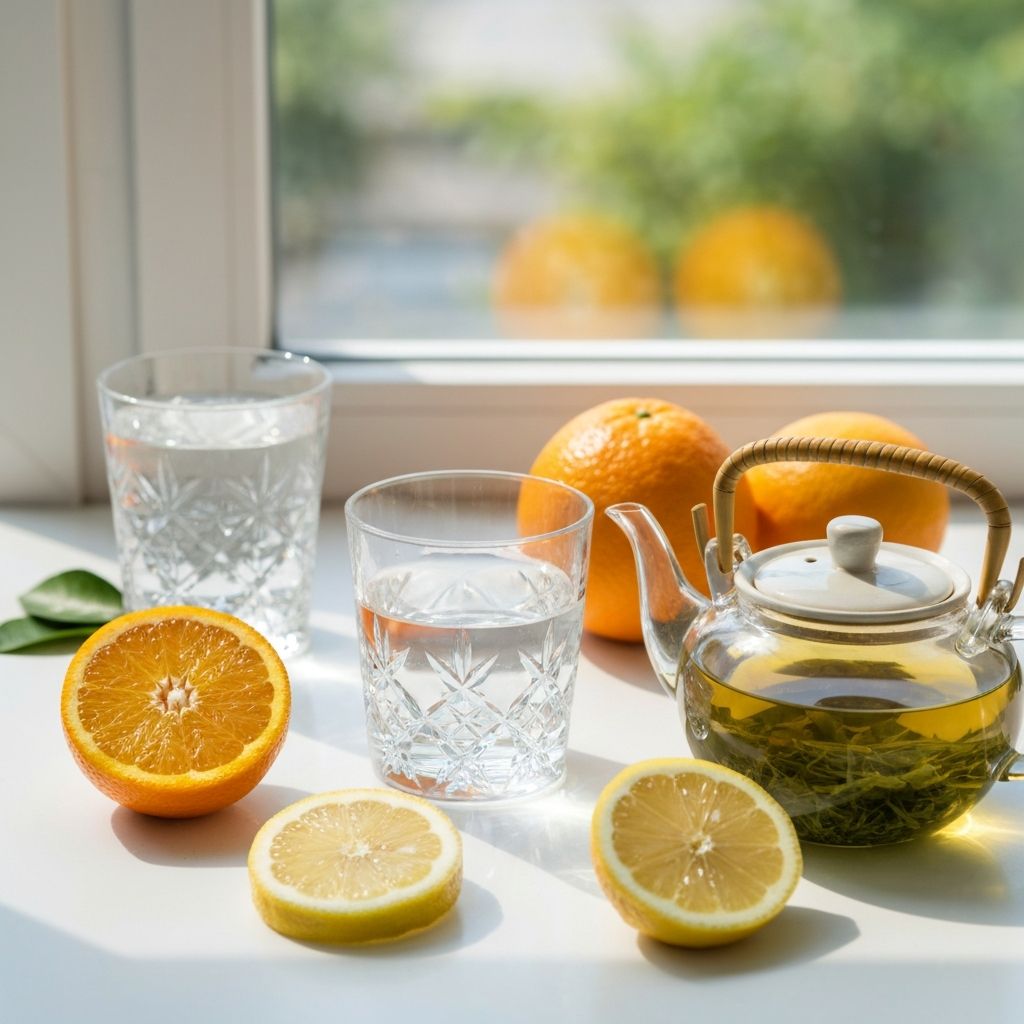
Water is the primary source of hydration, containing no calories and providing pure fluid.
Tea and coffee contain caffeine, which has mild diuretic effects but does not cause net fluid loss in regular consumers. These beverages contribute to daily fluid intake.
Herbal teas, typically caffeine-free, provide hydration and may offer additional benefits depending on ingredients.
Milk and plant-based alternatives provide hydration alongside protein, calcium, and other nutrients.
Fruits and vegetables such as watermelon, cucumber, lettuce, and oranges have high water content and contribute to overall hydration while providing fiber and micronutrients.
Sugary beverages (soda, energy drinks, fruit juices) provide hydration but often contain added sugars. Moderation is recommended.
Dehydration: Recognition and Response
Early signs include thirst, dry mouth, dark urine, and mild fatigue. Increasing fluid intake typically resolves these symptoms.
Moderate dehydration may cause headache, dizziness, reduced performance, and irritability. These symptoms resolve with progressive rehydration.
Severe dehydration is a medical emergency characterized by confusion, rapid pulse, and loss of consciousness. Professional medical attention is necessary.
Hydration During Physical Activity
Athletes and individuals engaging in sustained physical activity should drink fluids before, during, and after exercise. General guidance includes:
- Pre-exercise: Drink 16-20 ounces of fluid 2-3 hours before activity.
- During activity: Drink 7-10 ounces every 10-20 minutes during exercise lasting more than one hour.
- Post-exercise: Drink 16-24 ounces for every pound of body weight lost during activity.
For prolonged activity (>90 minutes), beverages containing carbohydrates and electrolytes may enhance performance.
Key Takeaways
- Water is essential for temperature regulation, nutrient transport, waste elimination, and optimal cognitive and physical performance.
- Hydration needs vary based on climate, activity level, diet, age, health status, and body size.
- Urine color and thirst are practical indicators of hydration status.
- Various beverages—water, tea, milk, and fruit-containing foods—contribute to hydration.
- Recognition of dehydration signs and prompt rehydration prevent performance decline and health complications.